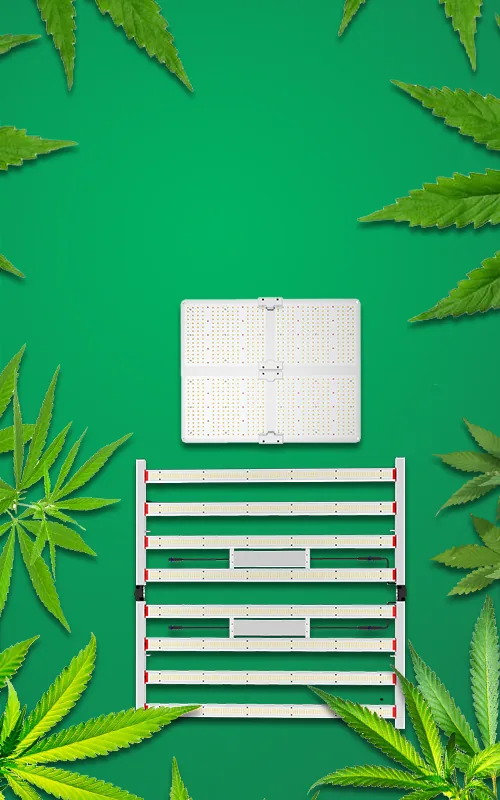
How To Choose Your LED Grow Light For Microgreens Growing?
Posted on Jun 23 , 2020
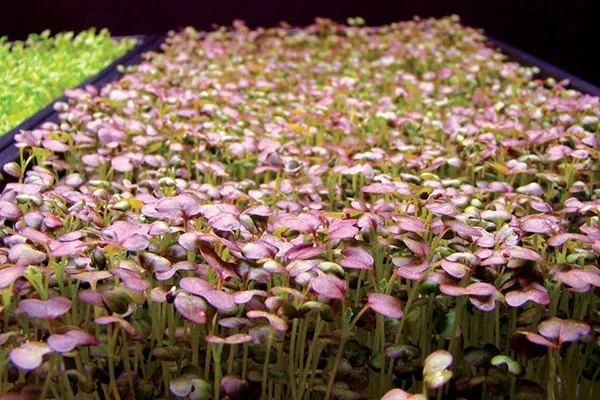
Growing food indoors might seem intimidating, but it is something that you can incorporate into any homestead. Using LED grow light for microgreens, it is very easy to set up a small growing space that doesn’t require much energy to produce quality results. This single indoor space can serve several purposes: growing plant starts for the outdoor garden; keeping a couple of herbs around through winter; supplying supplemental lighting for a house plant or two; or growing my favorite nutrient powerhouse, microgreens.
Why Grow Microgreens
These small delicacies are seeds sowed densely and harvested early, giving you a vibrant, nutrient-dense, and year-round food source. Because nutrients are concentrated in the seedlings, and we are consuming them just after harvest, it is hard for any other food to compete with the nourishment we can get from microgreens. Testing has shown microgreens to be from 4 to 40 times more nutrient-dense than their mature counterparts. Plus they are tasty and versatile. Use them in salads, egg dishes, smoothies, sandwiches, or really any of your favorite dishes. Popular and straightforward varieties to start with include sunflowers, peas, salad mixes, and radishes, but there a many others, and even more ways to form blends with them. We encourage experimenting!
Equipment for Microgreens Growing
The LED grow light for microgreens – we suggest a minimum of a 4 foot T8 LED Grow Light. Two of these over two 10×40 flat trays is ideal.
The container – each setup will contain two trays; one solid tray for the bottom and one with holes to go inside the solid one (we are creating a bottom watering system)
The growing medium – during this case, we’ll use coco coir, but there are many substrates which will be used, including one made up of hemp.
Digital Scale – used for measuring out the proper amount of seed per tray (they vary)
Watering Can – it is helpful to have a shower head when watering from the top
Small Fan for air circulation
Harvesting tool(s) – This will be a very sharp harvesting blade or maybe a pointy pair of scissors. Scissors are not preferred for storage micros as they can bruise the stem, shortening the shelf life.
A weight of some sort (a brick, heavy books, whatever can fit into a 10×20 tray)
All Equipment Should Be Clean And Sterile.
Use bleach, hydrogen peroxide, or Star-San to keep everything sanitary. Microgreens are the right environment for growing mold if ideal conditions aren’t met. We find that room temperature will work for most microgreens. The biggest key to success is proper air movement. Allow a fan to gently move some air across your plant canopy. Allow your lights to run a minimum of 14 hours once the newly germinated flats go under them.
The Light Spectrum Is Important
The aim isn’t to best nature, millennia of evolution render that impossible, but to replicate natural sunlight through artificial lighting in a controlled environment. There is no single light source that is capable of managing such a feat; hence, the best grow lights for indoor gardening are those that supplement white light –full spectrum light– with additional red and blue diodes to provide a higher intensity and round out the spectrum.
Interconnectivity And Upgradeability
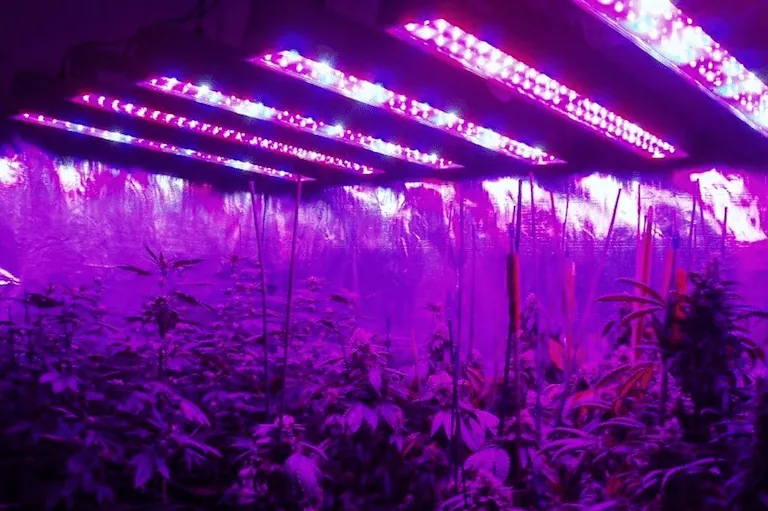
Although the light spectrum is the single most important consideration, in practice it is far from the only one. Personally, I find interconnectivity and upgradeability to be of the utmost importance. If your grow lights cannot be interconnected, you’ll wind up with an unsightly mess of wires. Likewise, if they can be interconnected, expanding your indoor garden will be breeze. And of course, there is the reality of space and cost. Chances are, you’ll want a very specific size light to accommodate your vision or preexisting stand, and both initial as well as recurring costs need be considered. Since we’ve already discarded red and blue grow lights, you can rest assured the selection below won’t include purple (or “blurple”) lighting, and you need not hide your indoor garden in a dedicated grow box or grow room to avoid the eye-cringe. These grow lights are both effective and pleasant to behold.
The light should be about 12 inches above the trays. This process can take 4 to 7 days. The average height for a finished microgreen is a couple inches, but they need to be harvested before they get tough and woody. Most crops only leave one cut, but there are exceptions, like wheatgrass or peas, which will provide a couple of cuts before abandoning.