Everythings You Want To Know About Microgreens
Posted on Jun 19 , 2020
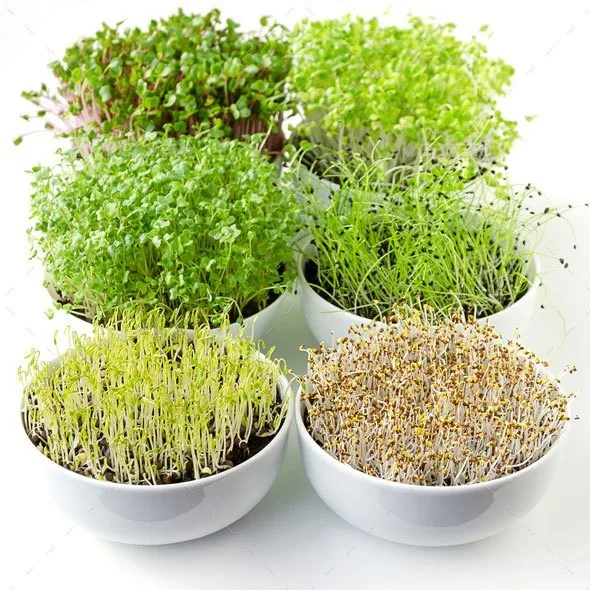
Have you ever eaten microgreens? Have you often heard friends or other people around you discuss microgreens? Here I will introduce you to everything about Microgreens.
What are microgreens?
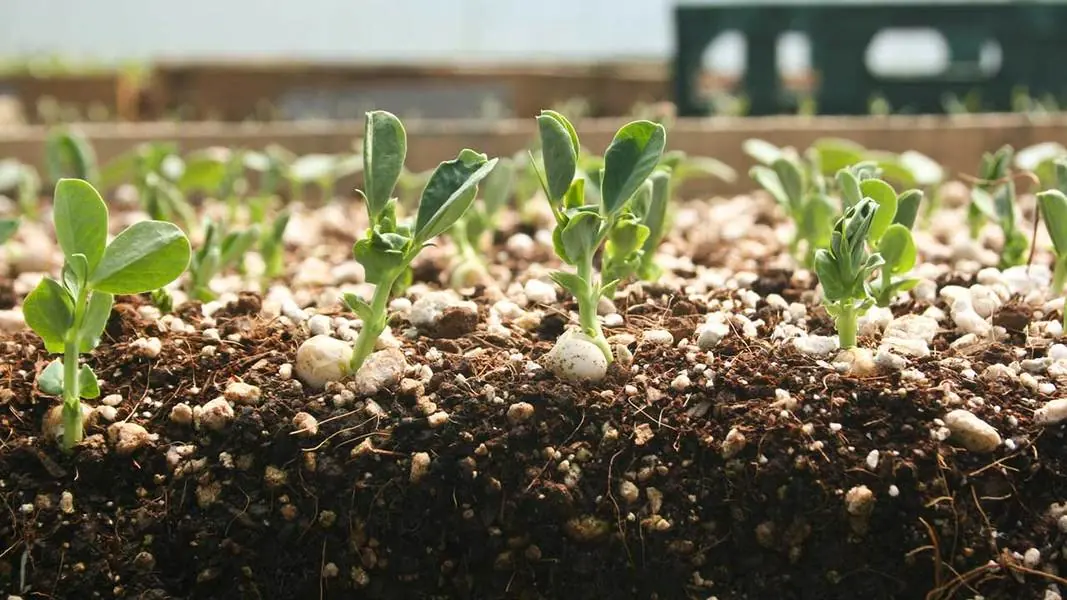
A microgreen is the new and tender sprout of a vegetable plant. This is what happens if you let a sprouted seed advance a little further in growth, but don’t let it fully mature. These small plants are easy to grow indoors because you can pack them tight as you will be harvesting them before they become larger plants. And since you’re not growing them to full maturity, they grow quickly – you can harvest your microgreens in about a week.
Does microgreens benefits for health?
These microgreens vegetables are tender, sweet, and incredibly good for you – they are literally one of the healthiest vegetables on the planet! Small shoots of newly germinated microgranules have up to 40 times more nutrient impact than their mature plant counterparts. 40 TIMES! Just one example: The microgreens in red cabbage seeds have 40 times more vitamin E and six times more vitamin C than fully grown red cabbage. Crazy, right?
How to eat Microgreens
I like to eat them instead of vegetable salad in winter salads, on top of sandwiches, folded in wrappers, sauteed in chips and hash, or mixed in soups and stews. You can use them anywhere you would use other mild-tasting vegetables like spinach.
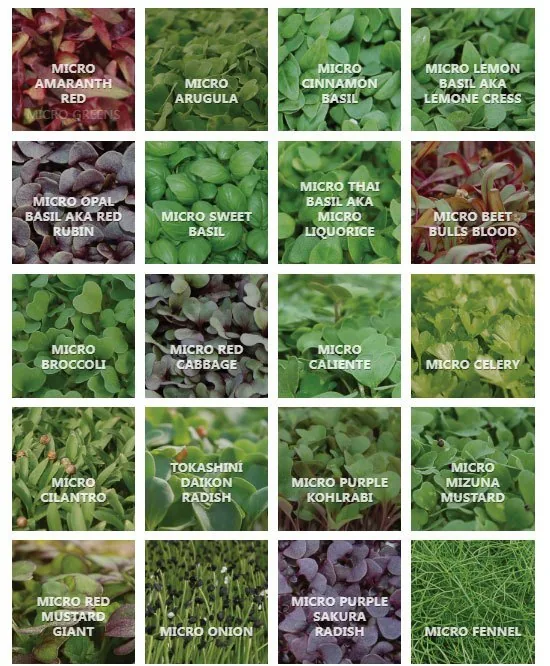
What is the difference between microgreens and sprouts?
While these two types of houseplants are often grouped together, they are quite different. Here is a quick introduction:
Sprouts are young seeds that have sprouted but have not yet grown any leaves. Here you consume all the “plant”: seeds, sprouts, roots and everything. You grow sprouts without soil in a jar. With germination, we tend to focus primarily on sprouted legumes like lentils (although you can absolutely germinate other things, we have a full deep germination post with more), where you wouldn’t normally eat the plant. Because it consumes the entire plant and grows in a humid environment, it is important to ensure that you work with incredibly clean materials and special germination seeds.
Microgreens are immature plants from which only the leaves and stem are harvested, leaving the roots behind. You can grow microgreen without soil, but we recommend growing them in soil here just for ease. With microgreens, you focus on sprouting vegetables you would normally eat, you just do it on a mini scale. Since you are only eating the aerial parts of the plant (the parts that grow above the soil line), you don’t have to worry as much about sanitation and seed cleaning as you would germination.
A rule of thumb is that if you eat the seed (lentils, chickpeas, peas, mung beans), you germinate it. If you eat green (kale, cabbage, spinach, Swiss chard), you grow the microgreens. But that’s just a general rule of thumb: There are many crossings between the two methods, and we recommend that you explore both!
What types of microgreens are not safe to eat?
This is a good place to mention that some plants are unsafe to eat micro-green. Never grow microgreens (or sprout to eat) from night shade plants such as tomatoes, peppers, potatoes, and eggplants. They contain toxins in their stems that can make you seriously ill.
People Also Read